early 16th c.
Humble Administrator's Garden, Suzhou
Wang Xianchen · Suzhou, Jiangsu, China
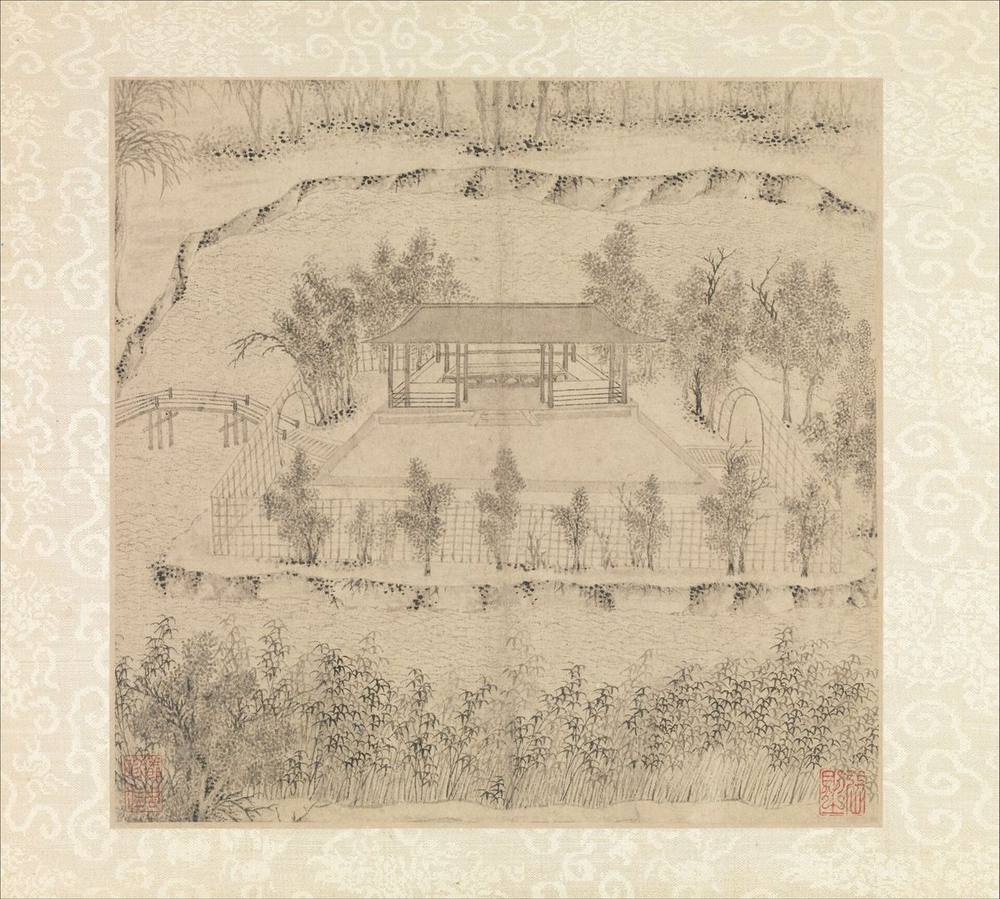
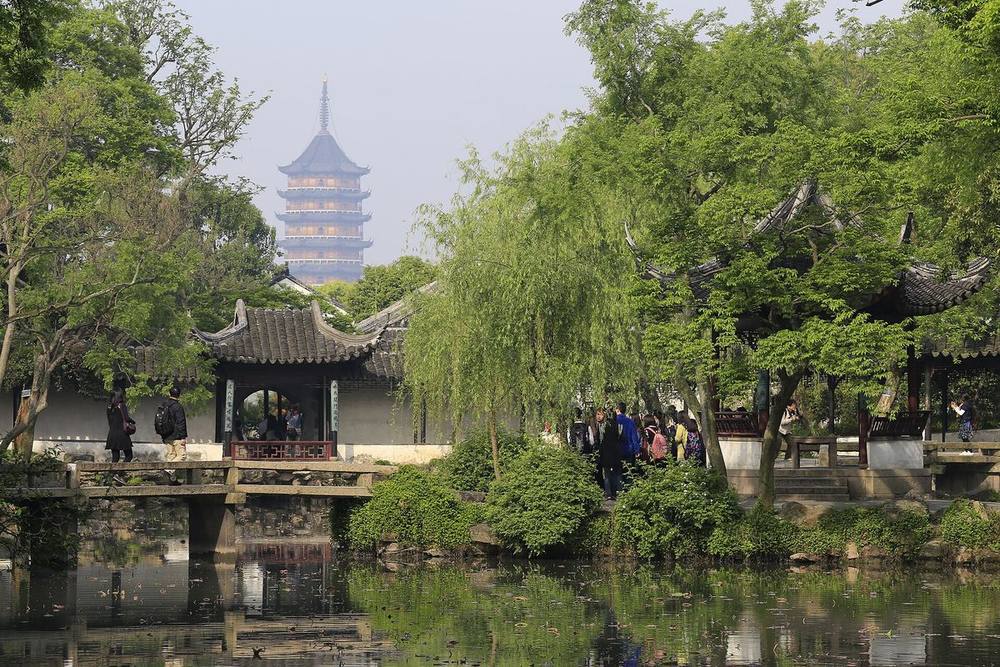
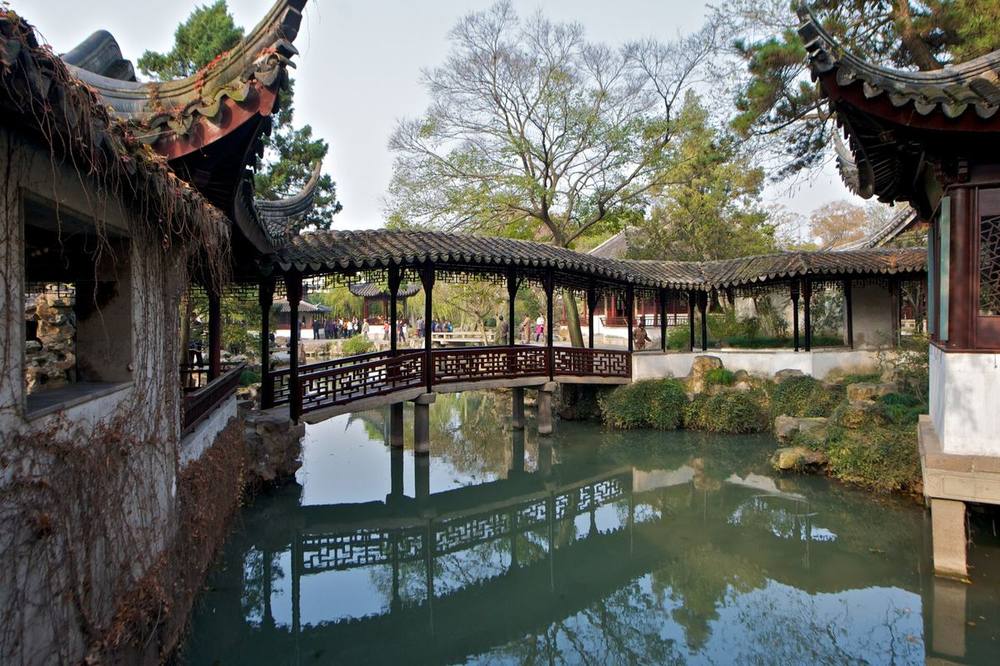
A private Ming-dynasty garden in Suzhou, one of nine that UNESCO lists as Classical Gardens of Suzhou: water, stone, plants and buildings composed within a single residence as a small version of the natural world.
How it came about and changed
- before 1509
The site in the north-east of the walled city of Suzhou had been used for elite residences and gardens since the Later Han period; around 1506 it is recorded as belonging to the Dahong Temple.14
- 1509–1513
Wang Xianchen, a Ming imperial censor who retired from office (the J-STAGE paper links this to his father's death), acquired the land and built the garden; Liu Dunzhen (1979) dated construction to 1509–1513 from Wen Zhengming's writings. The name is usually translated Humble (or Inept) Administrator's Garden.14
- 1533 and 1551
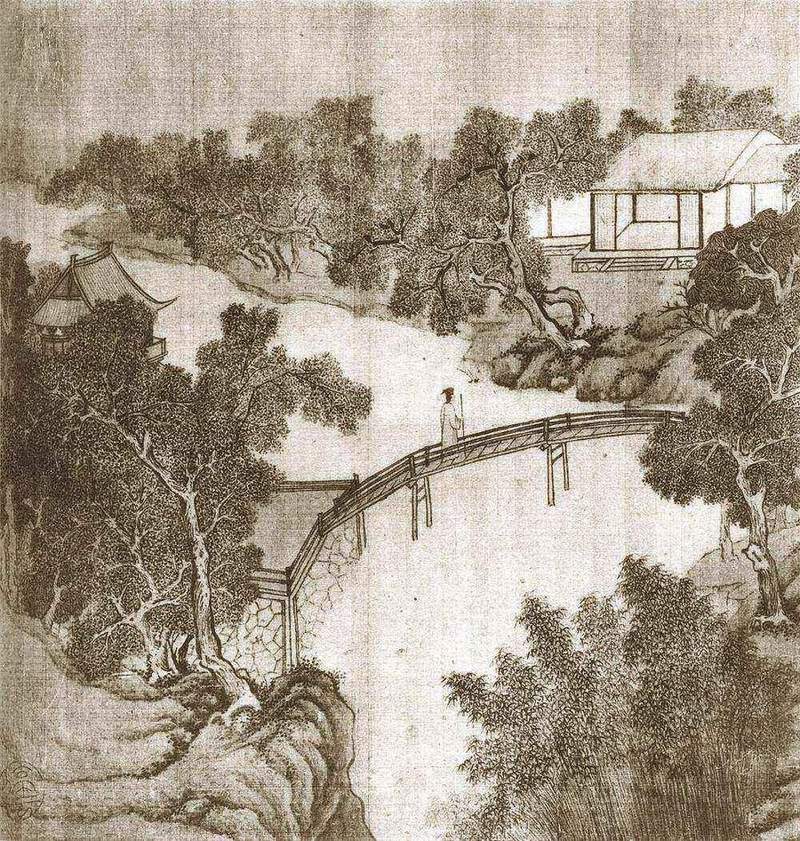
Wang's friend, the painter Wen Zhengming, produced an illustrated album of views of the garden with poems and wrote the 'Record of Mr Wang's Zhuozheng Yuan' (1533); a second album of eight leaves is dated 1551 (now in the Metropolitan Museum of Art). These works are the main evidence for the early design.45
- 16th–17th centuries
After Wang's death the property changed hands (a Qing source says his son lost it to the Xu family in a gambling debt); in 1631 Wang Xinyi bought the waste land on the east and made the 'Return to the Fields' garden (Guitian Yuanju).4
- 1679–1696
Under later owners and as a government office the central and western parts were substantially remodelled; the Kangxi Emperor is recorded as visiting.4
- 1860–1887
In 1860 the garden became part of the residence of the Taiping leader Li Xiucheng (Zhongwang Fu); after 1863 it passed to Qing officials, and from 1877 the western part was owned by Zhang Lüqian as the Bu Yuan.4
- 1946–1954
In 1946 it housed the National College of Social Education; from 1951 it came under regional cultural-relics administration, and in 1954 the Suzhou Municipal Garden Administration Bureau brought almost all of the original extent back under one management.4
- 1950s
After 1949 the Suzhou gardens received major rehabilitation and restoration and were opened to the public during the 1950s; the gardens were restored to their mid-20th-century form. Day-to-day management lies with the Suzhou Municipal Administrative Bureau of Gardens (set up in 1952, per ICOMOS).1
- 1961
Declared a Cultural Relic of National Importance.1
- 1997–present
Inscribed on the World Heritage List in 1997 as one of the four original Classical Gardens of Suzhou; ICOMOS recorded the garden as 51,959 m2, about one-fifth water, with a management plan under national cultural-relics law.213



Approvals and legal steps
- 1961 Declared a Cultural Relic of National Importance (protected under the Cultural Relics Protection Law and related regulations).1
- 1982 Suzhou designated a Historical and Cultural City; the urban master plan places the gardens in Class A protection with three levels of protection area around each.1
- 1997 World Heritage Committee (21st session, Naples) inscribed the Classical Gardens of Suzhou under criteria (i)-(v).21
Funding
People
- Wang Xianchen Owner and builder; retired Ming imperial censor
- Wen Zhengming (1470-1559) Painter, poet and friend of the owner; painted albums of the garden (1533, 1551) and wrote its record; old writings say he designed it (see notes)
- Wang Xinyi Created the eastern 'Return to the Fields' garden from 1631
- Li Xiucheng Taiping leader whose residence incorporated the garden from 1860
- Zhang Lüqian Owner of the western part (Bu Yuan) from 1877
- Suzhou Municipal Administrative Bureau of Gardens Day-to-day manager since the 1950s
- Liu Dunzhen Architectural historian whose 1979 study dated the construction to 1509–1513
Sources for this page
- UNESCO World Heritage Centre / ICOMOS, ICOMOS evaluation: The Classical Gardens of Suzhou (No. 813), September 1997
- UNESCO World Heritage Centre, Report of the World Heritage Committee, 21st session, Naples, 1-6 December 1997 (WHC-97/CONF.208/17)
- UNESCO World Heritage Centre (not re-opened: blocked by a browser check), Classical Gardens of Suzhou
- Nippon Teien Gakkaishi 27, J-STAGE, doi:10.5982/jgarden.2013.27_51, A Historical Study on the early design of Zhuozhengyuan (Humble Administrator's Garden) as a Chinese private garden in Ming dynasty (Sun and Fujii, 2013), abstract and PDF incl. Table 1
- The Metropolitan Museum of Art (collection API record), Wen Zhengming, Garden of the Inept Administrator, 1551 (1979.458.1a-ii)
- Wikidata, Humble Administrator's Garden (Q1076650)
Researched on 2026-11-19 from the sources listed; a fact that could not be confirmed in a source was left out. Pictures are public domain or under an open licence, credited as their file page asks.
The question it brings · interpretation
If a whole landscape had to be suggested inside one urban lot, which few elements would you keep, and what would you leave to the visitor's imagination?
Each question is Field Method’s interpretation, not a claim made by the source.
The date
Nominal year for ordering. A 2013 study in Nippon Teien Gakkaishi says old writings place the garden's establishment between 1509 and 1513; Wikipedia gives 1513, citing Clunas (1996). UNESCO inscribed the Classical Gardens of Suzhou in 1997 (boundary modified 2000).